
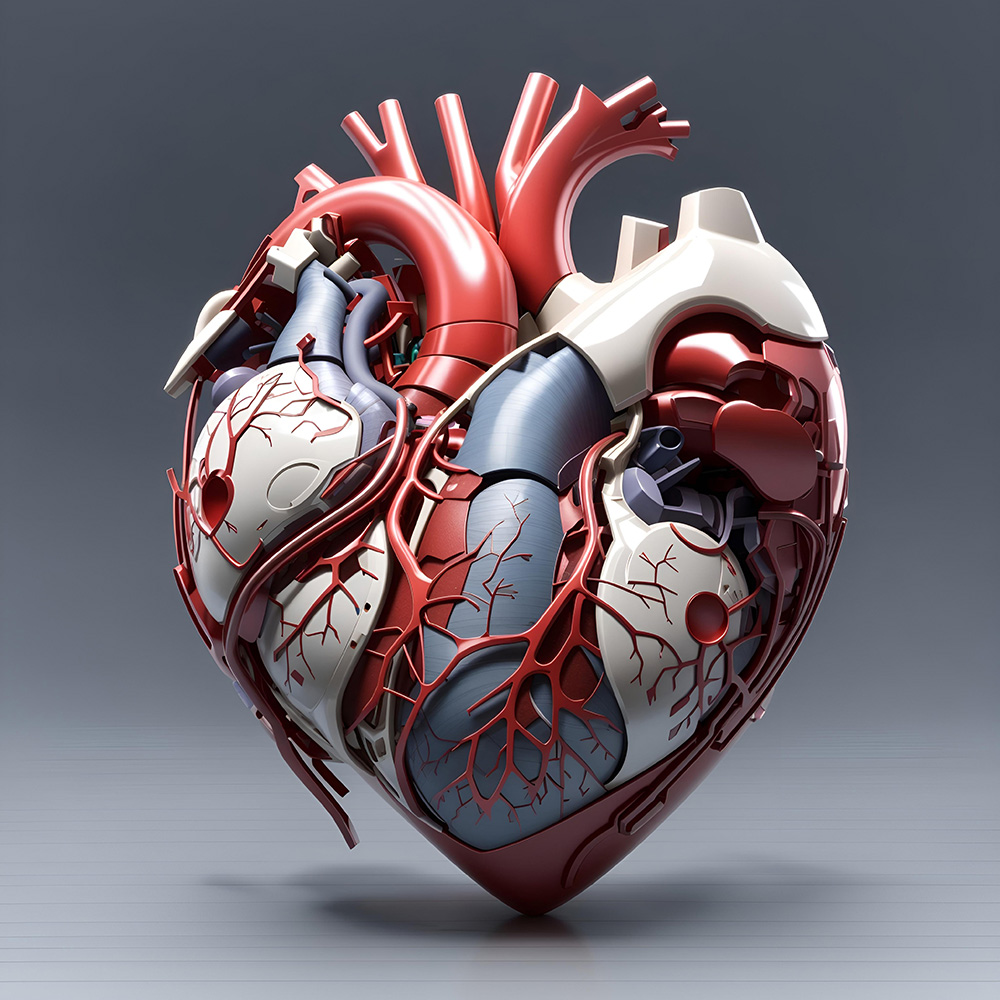
The complexity of the human body is astounding. Blood vessels, muscles, bones, nerves, and organs all interact in ways that are frequently hard to completely comprehend from textbooks or flat pictures alone. A 3D anatomy model can now make learning about the body much more interactive, visual, and useful for both regular people and medical experts thanks to modern technology.
Doctors and medical students are not the only ones who need to understand their own anatomy. It can have a significant impact on your health, injury prevention, recovery, and ability to make better lifestyle choices.
Improved Understanding Through Visual Learning
Seeing the body from every perspective is one of a 3D anatomy model’s greatest benefits. In contrast to conventional diagrams, 3D models provide realistic structural exploration, rotation, zooming, and system isolation.
This facilitates comprehension:
- How muscles move and connect
- Where injuries or suffering may come from
- How organs communicate with each other
- The blood vascular and nerve routes
- The body’s reactions to movement and position
Many people find that concepts “click” when they view anatomy in three dimensions as opposed to static images.
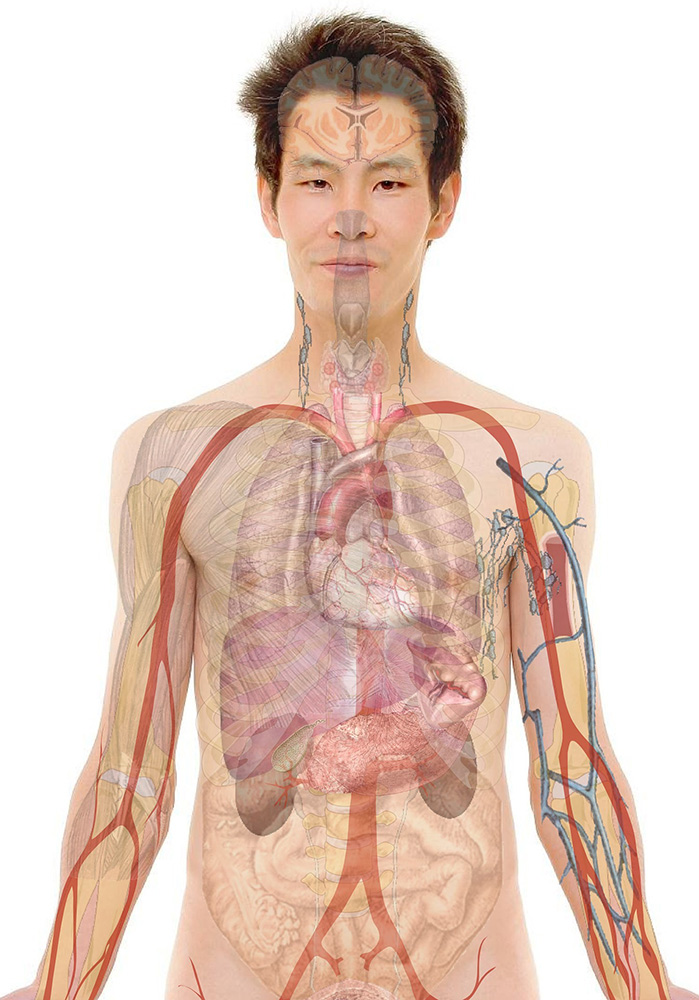
Improved Knowledge Promotes Better Health Decisions
People are frequently more proactive about their health when they have a better understanding of how their bodies work. For instance, learning about the muscles that surround the spine can help someone better comprehend the importance of posture. Studying the anatomy of the knee can help a runner understand how important it is to build supporting muscles in order to avoid injury.
A greater comprehension of anatomy can promote healthy behaviours like:
- Better workout methods
- Improved ergonomics and posture
- Preventing injuries
- More intelligent recuperation and rehabilitation
- A greater understanding of one’s physical limitations
People can comprehend the “why” behind recommendations made by physicians, physiotherapists, or trainers instead of just following them.
Beneficial for Rehabilitation and Injury Recovery
It can be difficult and perplexing for patients to recover from an accident, particularly if they don’t fully comprehend what has transpired inside their bodies. Patients can visualise the wounded area clearly and comprehend the rehabilitation process with the aid of a 3D anatomical visualisation.
A physiotherapist might utilise a model, for instance, to clarify:
- Which ligament sustained damage?
- How a strained muscle happens
- Why some motions should be avoided
- How physical activity aids in healing
Patient confidence and treatment compliance frequently rise as a result of this enhanced comprehension.
Encouraging Patients in Medical Consultations
Medical jargon can be intimidating at times. Consultations can be made more comprehensible and interesting by using a visual depiction of the body.
Using 3D anatomical tools, medical professionals can clarify:
- Surgical techniques
- Diagnoses
- Chronic illnesses
- Plans for treatment
- Effects of medication
Patients are frequently more at ease asking questions and taking part in healthcare decisions when they are aware of their illnesses.
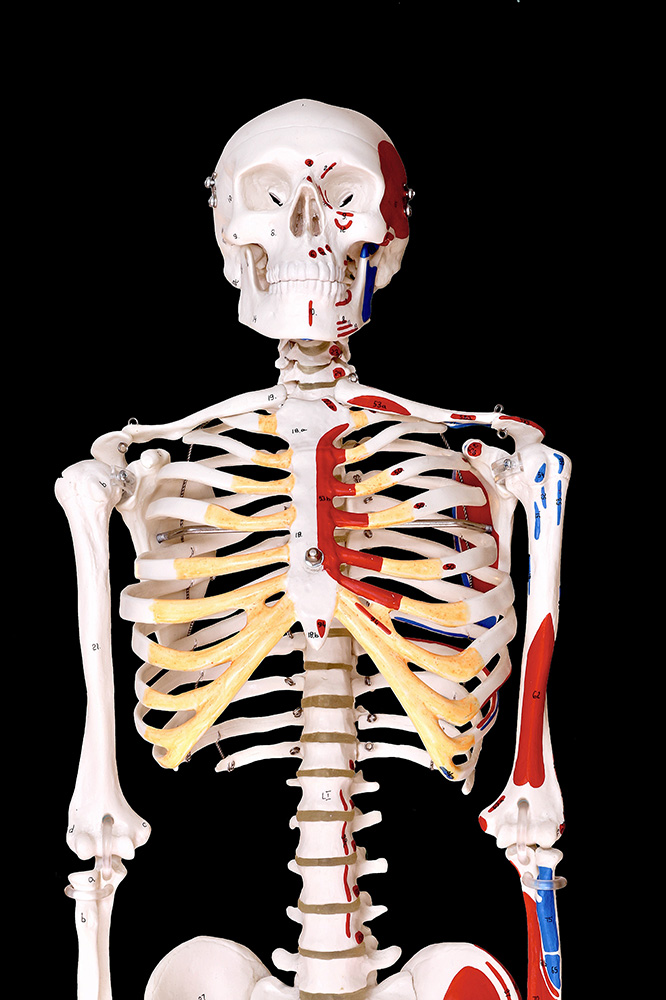
Encouraging Athletic Performance and Fitness
Anatomy study is also very beneficial for fitness lovers, athletes, and trainers. Gaining knowledge of muscle groups, joint mechanics, and movement patterns can enhance training efficacy and lower the risk of injury.
Users can examine how the body moves during exercise and sport-specific activities with a 3D Anatomy Model. This can assist with:
- Programs for strength training
- Mobility and flexibility are important.
- Sports rehabilitation
- Understanding muscle activation
- Optimisation of performance
People may train more effectively and safely when they comprehend how their bodies produce movement.
Anatomy is becoming more accessible because to modern technology.
Advanced anatomical instruction used to be primarily restricted to colleges and hospitals. Nowadays, almost anybody may learn about anatomy thanks to interactive 3D anatomy software, applications, augmented reality experiences, and digital models.
These resources can give you important information about how the human body functions, whether you are a student, medical professional, personal trainer, physiotherapist, or just someone who is concerned about your health.
To Conclude
One of the most effective ways to learn more about your health and well-being is to understand your anatomy. Anatomy becomes interactive, useful, and simple to comprehend with the help of a 3D anatomy model.
You can make better choices about exercise, posture, rehabilitation, injury prevention, and general wellbeing if you understand how your body works. 3D anatomy tools are becoming a more important tool for enhancing health education and enabling people to take better care of their bodies as medical visualisation technology advances.